
Start a project
Menu

Shopware agency

Shopware 6 for structured commerce, integrations and B2B scenarios.

We develop, modernize and migrate Shopware projects with a clear approach to extensions, data ownership, integrations and operations.

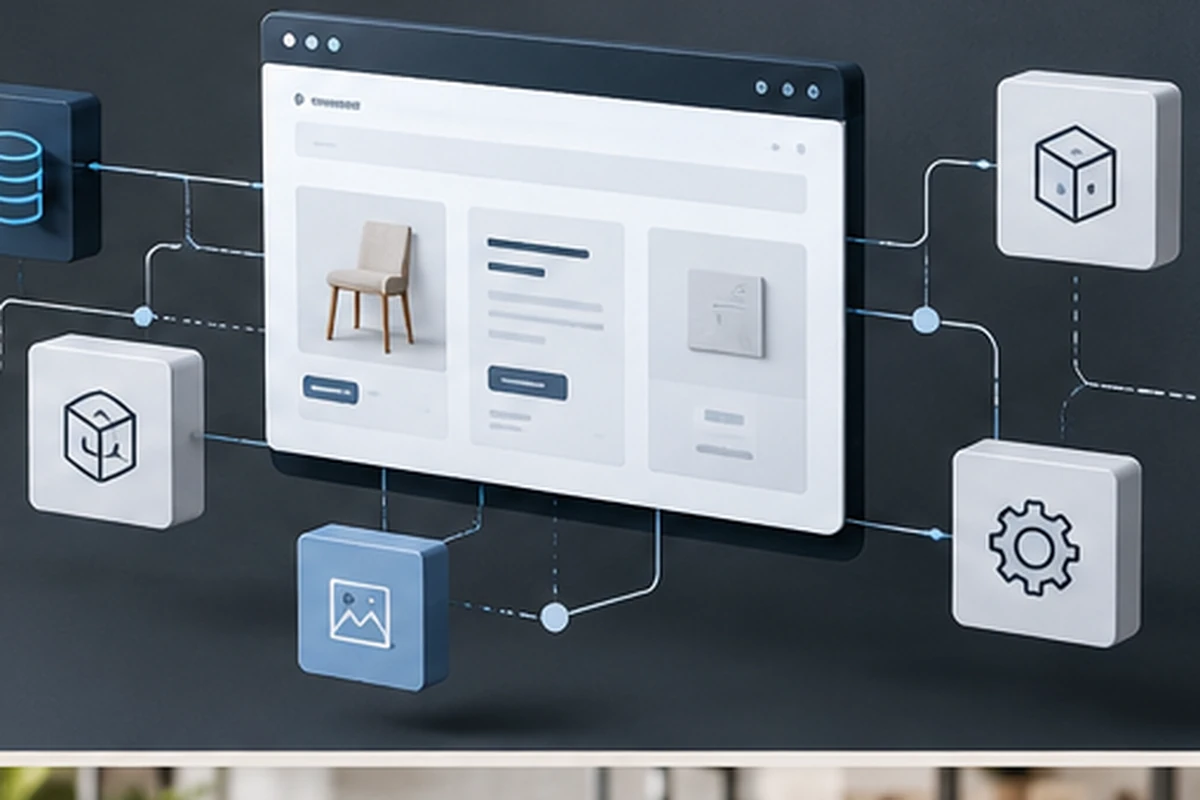
modern commerce administration workspace representing a modular Shopware project
01Shopware 6
02Extensions & themes
03API integrations
04B2B scenarios

Typical starting points

Where Shopware is a useful fit

Shopware is relevant for projects that need a dedicated commerce platform with extension points, APIs and structured administration.

  • An existing Shopware installation needs modernization
  • B2B, product or pricing logic requires a stronger commerce platform
  • ERP/PIM and other systems need close integration
  • A migration from Shopware 5 or another platform is planned

Deliverables

What we implement with Shopware

  • Shopware 6 setup, storefront and theme work
  • Extensions and project-specific functionality
  • Data and platform migration
  • ERP/PIM/API integration, performance and SEO

Use cases

Typical Shopware projects

The platform can support both conventional storefronts and more API-driven architectures depending on project requirements.

01

Shopware 6 relaunches

02

Migration from Shopware 5

03

B2B commerce and account workflows

04

API and headless commerce scenarios

Decision criteria

When Shopware should remain the platform

An existing Shopware setup should not be replaced just because another platform is fashionable. We first determine whether current problems come from the platform or from implementation debt.

Questions we clarify early

  • Which Shopware functions are business-critical?
  • How much custom extension logic exists?
  • Are integrations and operations stable?
  • Would a platform move create more value than modernization in place?

Quality & control

Shopware extensions need clear ownership and update strategy.

Standard features, plugins and custom code should be separated so updates and debugging remain manageable.

  1. 01

    Document extension dependencies

  2. 02

    Test upgrades and deployment flows

  3. 03

    Keep integration contracts explicit

  4. 04

    Measure storefront and backend performance

How we work

From target state to reliable implementation.

The emphasis of each step depends on the project. The goal is to expose risks early and make technical decisions transparent.

01

Discovery & target state

We clarify requirements, data, users, operating responsibilities and technical dependencies.

02

Concept & architecture

We define page structure, system boundaries, integrations and the quality criteria that matter for the project.

03

Implementation & testing

The solution is built iteratively and tested with realistic content, data and business processes.

04

Launch & improvement

We prepare go-live, monitoring, documentation and the next sensible development steps.

Frequently asked questions

Key questions about Shopware agency.

Direct answers to questions that often matter before a decision or implementation.

Do you migrate Shopware 5 to Shopware 6?

Yes. We inventory data, extensions, templates, URLs and integrations and plan which elements can be migrated, replaced or rebuilt.

Can Shopware be connected to ERP and PIM systems?

Yes, where the connected systems provide suitable interfaces. We define data ownership, mapping, update frequency and error handling before implementation.

Can Shopware be used headlessly?

Yes. Shopware provides APIs that can support separate storefronts. Whether that architecture is worthwhile depends on frontend requirements and operational complexity.

Project start

Planning a new shop, migration or targeted optimization?

Briefly describe the current setup, your goal and existing systems. We can then structure the most sensible next steps without forcing a platform decision too early.